
Blogs
Natural Peanut Butter:
Why No Palm Oil
Actually Matters
Table of Contents
Toggle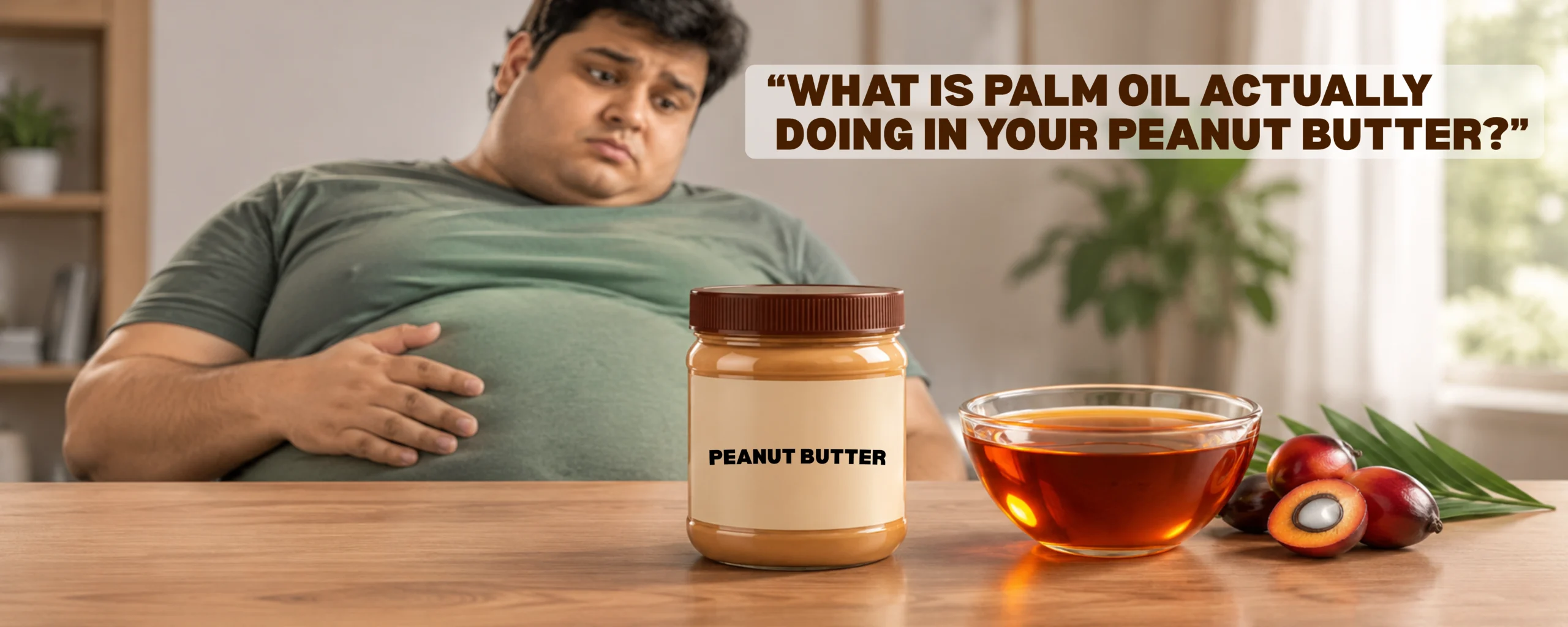
This is the single most common question we get about natural peanut butter India shoppers are trying to choose between: does the palm oil actually matter, or is it just clean-label marketing? The honest answer, backed by both nutrition science and simple label reading, is that it matters more than most other ingredient swaps in the pantry.
What Palm Oil Is Actually Doing in Your Peanut Butter
Palm oil is added to commercial peanut butter for one reason: it’s cheap and solid at room temperature, which stops the natural oil separation that pure ground peanuts undergo. That’s a manufacturing convenience, not a nutritional benefit. Palm oil is roughly 50% saturated fat — higher than butter in relative terms — and the WHO has flagged high intake of saturated fats as a contributor to cardiovascular risk when consumed in excess over refined and unsaturated alternatives.
Genuine natural peanut butter, by contrast, should have one primary ingredient: peanuts. Oil separation at the top of the jar isn’t a defect — it’s proof the product hasn’t been artificially stabilised. A quick stir before use is a small price for avoiding a fat source most nutrition bodies recommend limiting.
Health Impact: Saturated Fat Load and Additive Sugar
Beyond the fat profile, palm-oil-based peanut butters are almost always paired with refined sugar to mask the blander, waxier mouthfeel palm oil creates. GreenDumbells Peanut Butter uses no palm oil and no refined sugar, relying instead on the natural richness of dry-roasted peanuts and a light touch of jaggery in the flavoured variants, keeping the saturated fat contribution to what peanuts naturally carry — which is dominated by heart-favourable monounsaturated fat, not palm’s saturated load.
Environmental and Supply Chain Reality
Palm oil is also the crop most associated with large-scale deforestation across Southeast Asia, a fact increasingly visible to Indian consumers through global reporting on rainforest and orangutan habitat loss. Choosing a palm-oil-free peanut butter isn’t just a personal health decision — for many households it’s also a small, deliberate supply-chain choice, and it’s one reason “no palm oil” has become a genuine purchase filter rather than a vague wellness buzzword.
How to Actually Check a Jar Before Buying
Read the ingredients list, not the front label. “100% natural” on the front means nothing if palm oil is ingredient #2. Look for a short list — ideally peanuts, and nothing else besides a natural sweetener or salt. Second, check for oil separation: a jar that never separates on the shelf almost certainly contains a stabiliser like palm oil or hydrogenated fat. Third, compare the saturated fat number on the nutrition panel — genuine peanut-only butter typically shows saturated fat well below products cut with tropical oils.
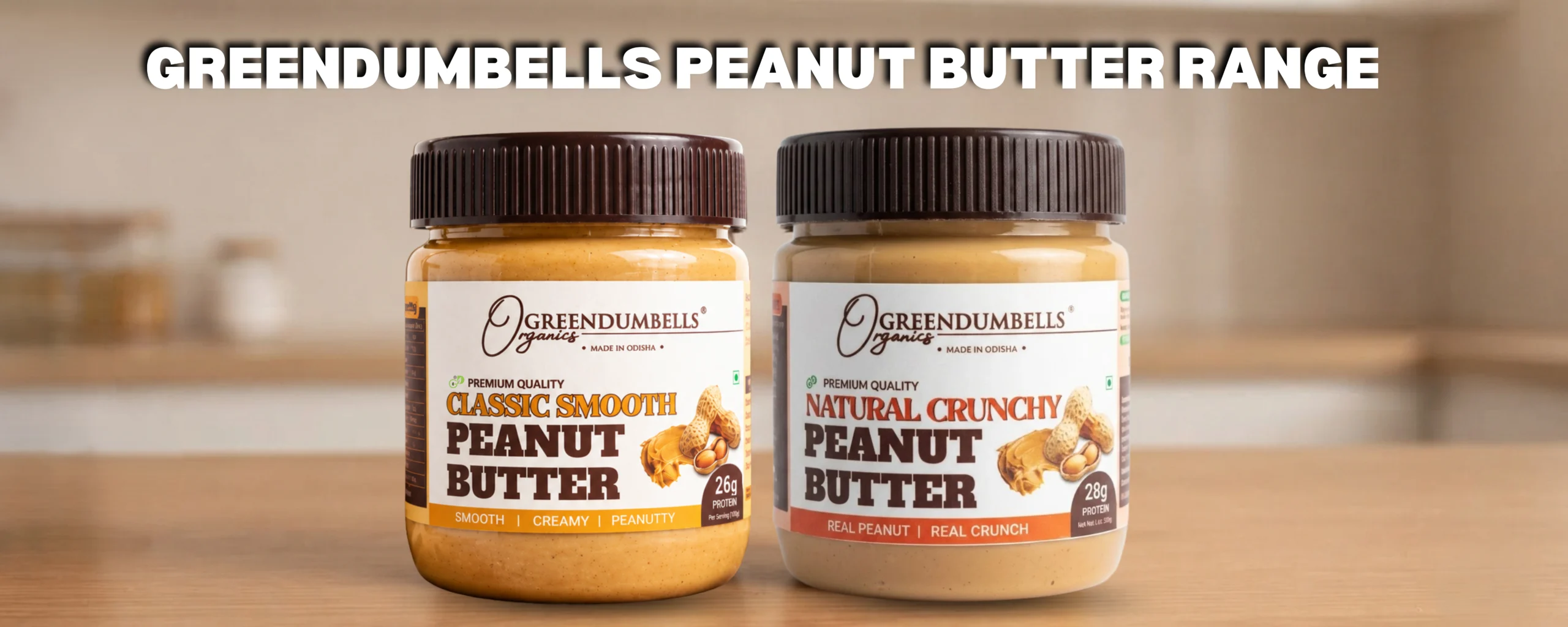
GreenDumbells Peanut Butter Range
- GreenDumbells Classic Smooth Peanut Butter — no palm oil, no refined sugar, dry-roasted peanuts only.
- GreenDumbells Crunchy Peanut Butter — for those who want texture without additives.
Frequently Asked Questions
Q. Is palm oil in peanut butter actually bad for health, or is this overhyped?
Ans: It isn’t overhyped — palm oil is roughly 50% saturated fat, and global health bodies recommend limiting high-saturated-fat additives. It’s not toxic in small amounts, but it offers no nutritional benefit over the peanuts themselves.
Q: Why does natural peanut butter separate while branded ones don’t?
Ans: Because natural peanut butter contains no stabilising fat like palm oil or hydrogenated oil. Oil rising to the top is a sign of purity, not spoilage — just stir and refrigerate after opening.
Q. Does removing palm oil change the taste?
Ans: Slightly — natural peanut butter tastes more distinctly of roasted peanuts and is less uniformly sweet, which most people adjust to within a jar or two.
Q: Is GreenDumbells Peanut Butter suitable for kids?
Ans: Yes, it contains no palm oil, no refined sugar, and no artificial preservatives, making it a straightforward swap for branded jars in school tiffins.
Q. Where can I buy palm-oil-free peanut butter in Odisha?
Ans: GreenDumbells Peanut Butter is available online at greendumbells.com and at 400+ retail counters across Bhubaneswar and Odisha.